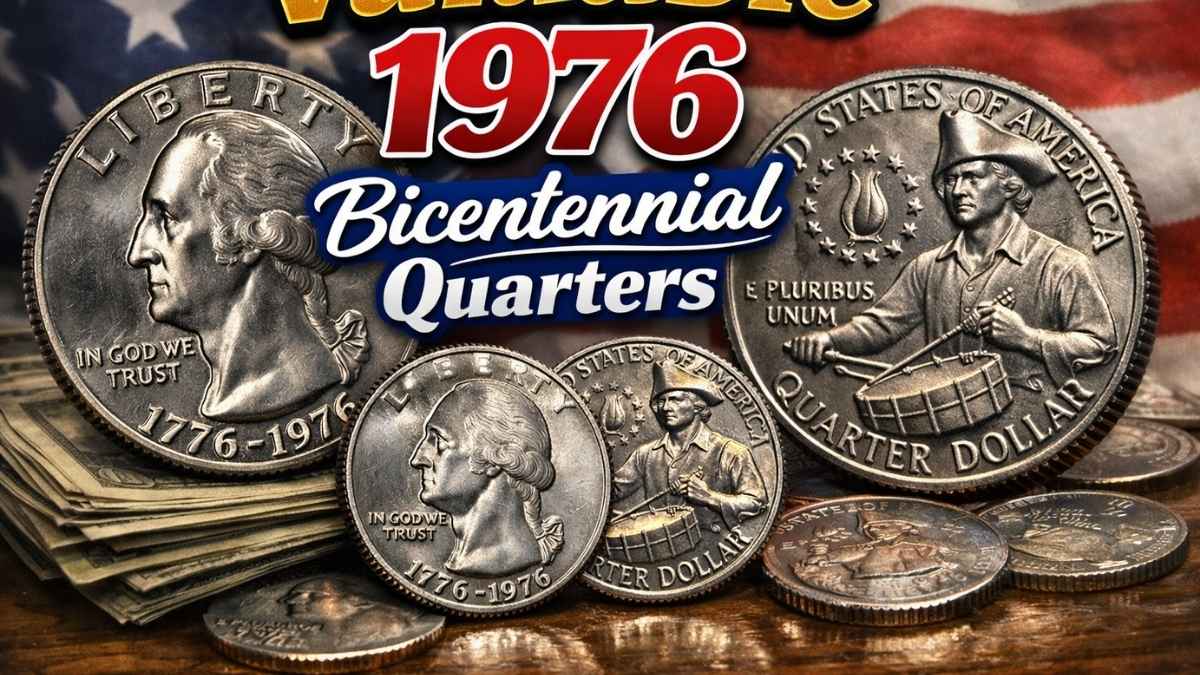
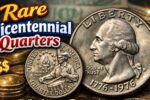
Valuable 1976 Bicentennial Quarters: In 1976, the United States celebrated its Bicentennial, marking two hundred years since the signing of the Declaration of Independence. To honor this milestone, the U.S. Mint released a special set of coins, including the Bicentennial quarter. Unlike the traditional Washington quarter, this commemorative version featured a unique reverse design with a colonial drummer and a torch surrounded by thirteen stars, symbolizing the original colonies. These coins quickly became a part of American history and remain highly collectible today.
Why Bicentennial Quarters Are Special
The Bicentennial quarter stands out because it was not just a circulating coin but also a symbol of national pride. Millions were produced, yet certain variations and conditions make some examples far more valuable than others. Collectors prize these coins for their historical significance, distinctive design, and the possibility of rare minting errors that can dramatically increase their worth.
Common Circulating Versions
Most Bicentennial quarters were struck in copper-nickel clad composition, the same material used for regular quarters of the era. These coins are still found in circulation today and generally hold only face value unless they are in pristine, uncirculated condition. However, even common examples can be appealing to collectors who appreciate their historical charm.
Silver Bicentennial Quarters
The U.S. Mint also produced special silver versions of the Bicentennial quarter, available in collector sets. These coins contain 40 percent silver and are more valuable than their clad counterparts. Depending on condition, silver Bicentennial quarters can fetch several dollars each, and proof versions with mirror-like finishes are especially sought after.
Rare Errors and Varieties
One of the most exciting aspects of coin collecting is the discovery of minting errors. Bicentennial quarters with double strikes, off-center strikes, or unusual die varieties can be worth hundreds or even thousands of dollars. Collectors carefully examine these coins for anomalies that set them apart from the millions of standard issues.
Condition and Grading
The value of a Bicentennial quarter depends heavily on its condition. Coins are graded on a scale from poor to perfect mint state. A well-preserved coin with sharp details and no signs of wear can command a premium price. Professional grading services provide certification that helps collectors and investors determine authenticity and value.
Market Demand and Collectibility
The demand for Bicentennial quarters remains strong among collectors. Their historical significance ensures continued interest, and rare examples often generate excitement at auctions. While most quarters from 1976 are worth only a small premium, the rarest varieties can sell for impressive sums, making them a fascinating area of numismatics.
Tips for Collectors
For those interested in collecting Bicentennial quarters, it is important to learn how to identify silver versions, proof coins, and potential errors. Storing coins properly in protective holders helps preserve their condition. Researching auction results and consulting price guides can provide insight into current market values.
The Future of Bicentennial Quarters
As time passes, the Bicentennial quarter continues to grow in historical importance. While not every coin will be worth a fortune, the possibility of discovering a rare variety keeps collectors engaged. These coins serve as a reminder of America’s 200th anniversary and remain a cherished piece of numismatic history.
Conclusion
The 1976 Bicentennial quarter is more than just pocket change. It represents a moment of national celebration and offers collectors the thrill of uncovering hidden value. Whether in silver, proof, or error form, these coins can range from modestly priced collectibles to treasures worth thousands. For enthusiasts and investors alike, the Bicentennial quarter is a symbol of history, artistry, and the enduring appeal of coin collecting.